







All voices matter

U.S. Economy Shows Resilience Despite Inflation Concerns as Markets Watch Federal Reserve
Share your love
By The Remington Post Staff
Updated: July 17, 2026
The U.S. economy continues to show signs of resilience heading into the second half of 2026, even as policymakers, businesses, and consumers grapple with persistent inflation, higher borrowing costs, and global uncertainty.
New economic data released this week paints a mixed picture. Consumer sentiment improved for the second consecutive month, home construction rebounded sharply, and spending has remained relatively steady. However, import prices unexpectedly increased, suggesting inflationary pressures have not fully subsided.
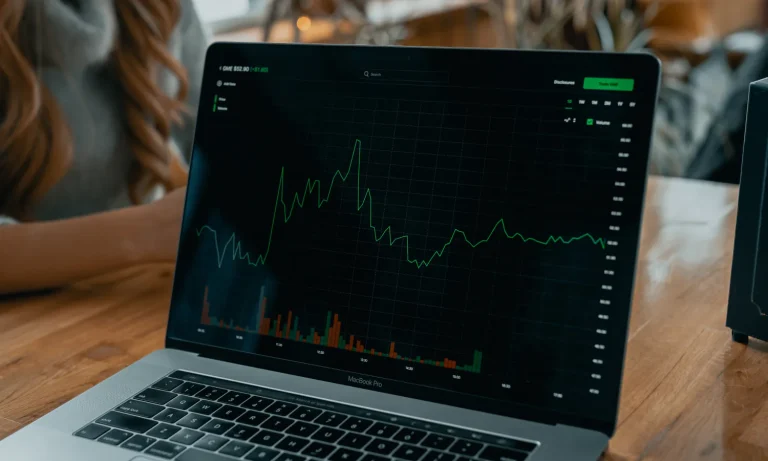
The Federal Reserve is now facing a difficult decision ahead of its July policy meeting. Several Fed officials have publicly expressed concern that inflation remains above the central bank’s long-term target and have signaled they would support additional interest rate increases if price pressures persist. Financial markets, however, still expect the Fed to leave interest rates unchanged this month while assigning a greater probability of a rate hike later this year.
Inflation remains one of the biggest challenges facing the economy. Higher energy prices, increased costs for imported goods, and continued investment in artificial intelligence infrastructure have all contributed to upward pressure on prices. While gasoline prices have eased from earlier highs, officials remain cautious about future inflation risks tied to geopolitical tensions and supply disruptions.
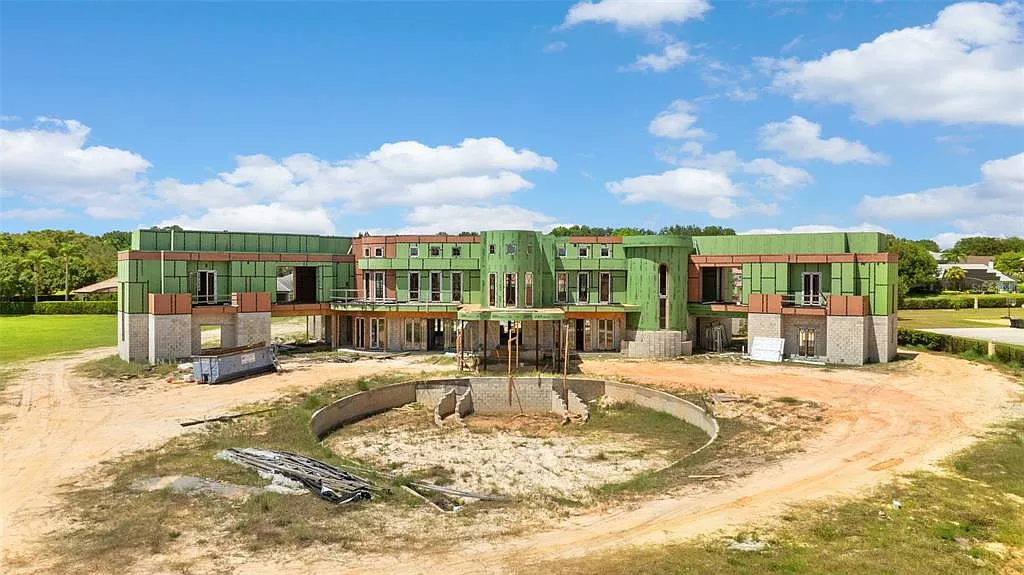
The housing sector provided encouraging news this week. U.S. housing starts jumped approximately 19% in June, marking one of the strongest monthly increases of the year. Economists say the rebound reflects renewed apartment construction and improving confidence among developers after several slower months.
Consumers also appear to be growing more optimistic. Surveys show confidence has climbed to its highest level in several months, helped by lower fuel prices and continued strength in the labor market. Despite elevated borrowing costs, household spending has remained a key driver of economic growth throughout 2026.
Economists caution that significant risks remain. Ongoing geopolitical conflicts, uncertainty surrounding trade policy, and the possibility of additional Federal Reserve tightening could slow economic growth later this year. At the same time, strong corporate investment—particularly in artificial intelligence and technology—continues to support business activity and productivity.
For now, the U.S. economy remains on relatively solid footing, but the coming weeks could prove pivotal as investors await the Federal Reserve’s next policy decision and a new round of inflation, employment, and economic growth data.