







All voices matter

Why Surfers and Digital Nomads Are Choosing Bali Over Hawaii
Share your love
Warm waves, affordable living, and a laid-back lifestyle are turning Bali into one of the world’s most desirable places to live and work.
By The Remington Post Staff
Published: July 17, 2026
BALI, Indonesia — For thousands of surfers, entrepreneurs and remote workers, Bali isn’t just a vacation destination anymore—it’s become a lifestyle.
Every year, people from the United States, Australia and Europe are packing up their laptops and surfboards and moving to Indonesia’s most famous island, where the cost of living is dramatically lower than many Western countries and world-class waves are only minutes away.
For many, it’s a chance to trade traffic, expensive rent and long workdays for ocean sunrises, fresh tropical food and a slower pace of life.
World-Class Waves Every Day
Bali has earned a reputation as one of the best surfing destinations on Earth.
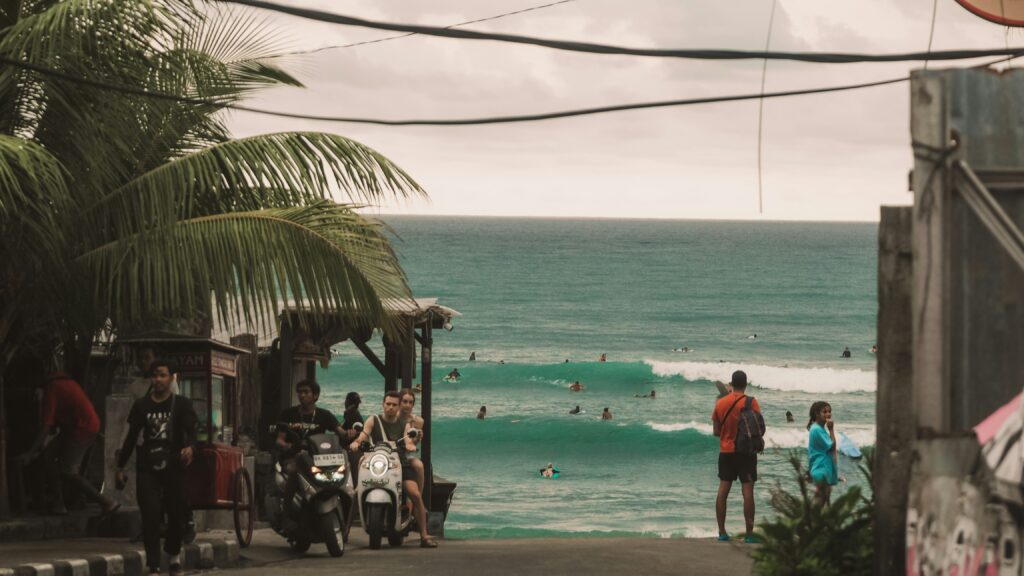
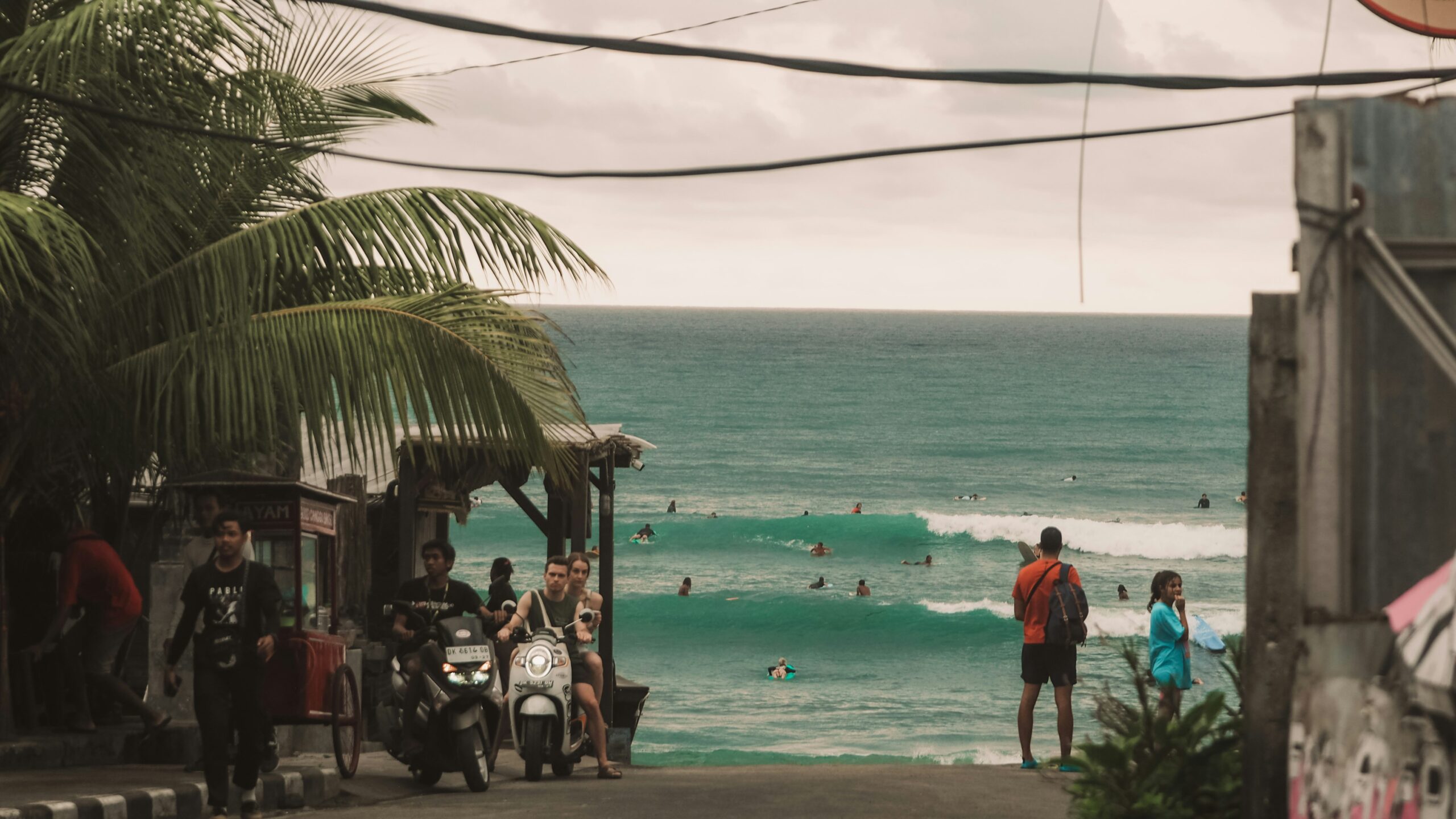
Whether you’re catching your first wave in Canggu, surfing the legendary reef breaks of Uluwatu, or taking on the powerful barrels at Padang Padang, the island offers consistent surf nearly year-round.
Water temperatures rarely require a wetsuit, and dozens of surf schools make it easy for beginners to get started while experienced surfers chase some of the best breaks in the Indian Ocean.
Morning sessions often begin before sunrise, with surfers sharing waves alongside sea turtles as the island slowly comes to life.
Living Well Without Spending a Fortune
One of Bali’s biggest attractions isn’t just the surfing—it’s affordability.
Many digital nomads report living comfortably for $1,200 to $2,000 per month, including a private villa or apartment, daily meals, scooter rental and high-speed internet. Those on tighter budgets can often spend even less by renting local guesthouses and eating at neighborhood cafés known as warungs.
Compare that with many U.S. beach towns, where rent alone can exceed $2,000 per month.
A typical lunch of grilled chicken, rice and fresh vegetables may cost only a few dollars, while tropical fruit, fresh seafood and locally grown coffee remain inexpensive compared to many Western destinations.
The Digital Nomad Capital
Bali has quietly become one of the world’s largest hubs for remote workers.
Coworking spaces are filled with software developers, online business owners, marketers, photographers and content creators building companies while living just minutes from the beach.
Reliable internet, international communities and flexible lifestyles have made towns like Canggu and Ubud magnets for entrepreneurs looking to escape expensive cities without sacrificing productivity.
Many residents begin their day with a sunrise surf session, work from a café overlooking rice fields, and finish with dinner on the beach.
More Than Just a Vacation
While Bali’s beaches attract visitors, many decide to stay because of the lifestyle.
The island offers yoga studios, hiking trails, waterfalls, temples, lively cafés and a welcoming international community. Weekends can include snorkeling, island hopping, scuba diving or simply watching the sunset from a beachfront café.
For those seeking a balance between work, adventure and affordability, Bali has become far more than a tropical getaway—it has become a place to build a new way of life.
Before You Go
Indonesia recently updated several immigration options for longer-term visitors, but travelers should review current visa requirements before planning an extended stay. Respect for local customs, religious sites and environmental conservation remains an important part of visiting the island.
For surfers dreaming of perfect waves and professionals looking to stretch their budgets without giving up quality of life, Bali continues to prove that paradise doesn’t have to come with a luxury price tag.
By The R